
Political Violence and Democracy: DANGER Workshops
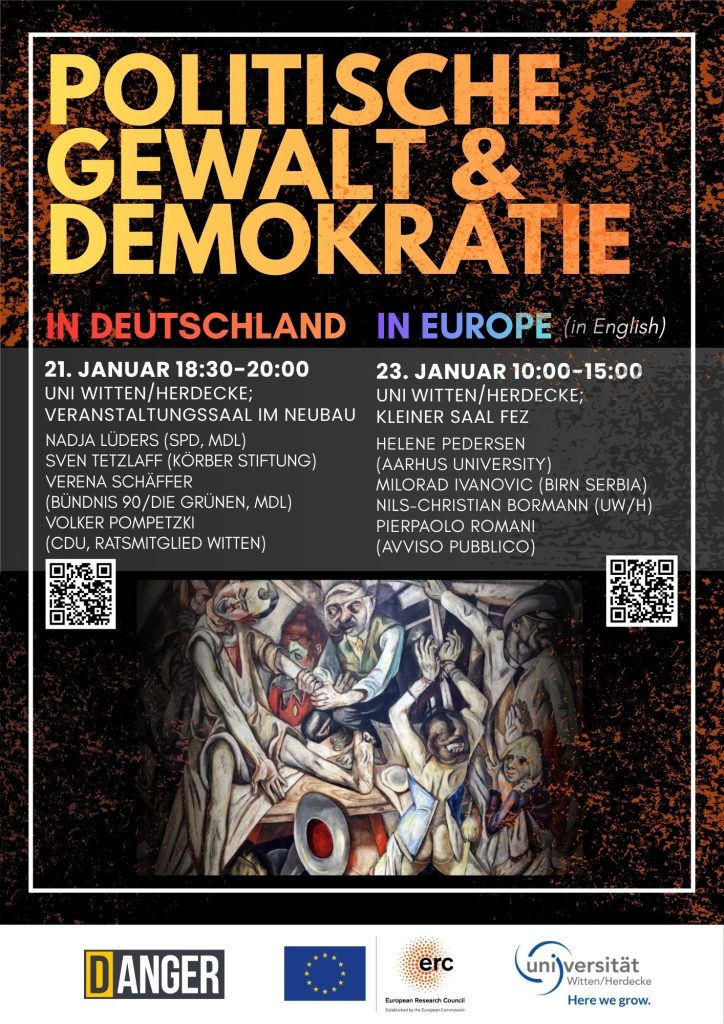
In January 2026, the DANGER project will host two workshops at Witten/Herdecke University to present and discuss current research findings and ongoing work within the project.. The workshops focus on the dynamics of politically motivated and extremist violence and their implications for democratic politics. Building on empirical results from the DANGER project, the events bring […]
Portugal’s 1925 Election: The End of the First Republic
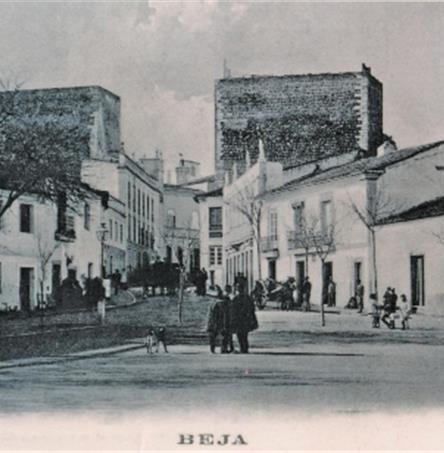
On this day, a hundred years ago, on 8 November 1925, Portugal held its last democratic parliamentary elections of the First Republic, before the military coup in May 1926. The First Republic, which existed from 1910 to 1926, was marked by deep instability, with 45 governments and eight presidents over 16 years. In the 1925 […]
DANGER Team Retreat in Herdecke

On June 11–12, 2025, members of the DANGER team held a small retreat together with a group of political scientists from across the region in Herdecke, Germany. The team presented the overall progress of the project as well as ongoing individual papers, and received constructive feedback from colleagues from the Universities of Osnabrück and Duisburg-Essen. […]
DANGER project at EPSA 2025 in Madrid
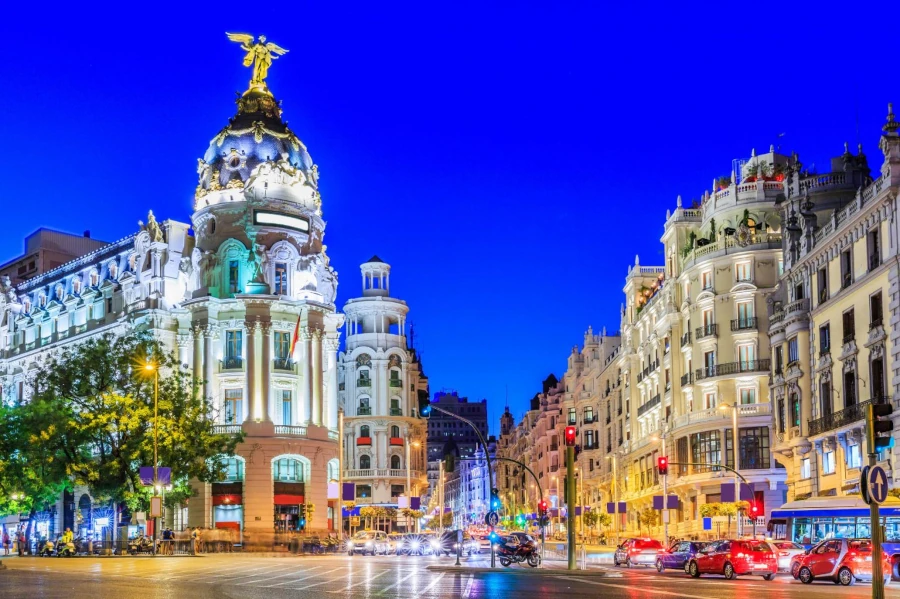
Nils-Christian Bormann, Bruno Della Sala, and Edoardo Viganò presented preliminary research findings from the DANGER project at the 2025 Annual Meeting of the European Political Science Association (EPSA), held in Madrid from June 26 to June 28, 2025. The DANGER project was featured in three panels at the conference. In the panel “Historical Roots of […]
Political violence and anti-system voting in interwar Italy
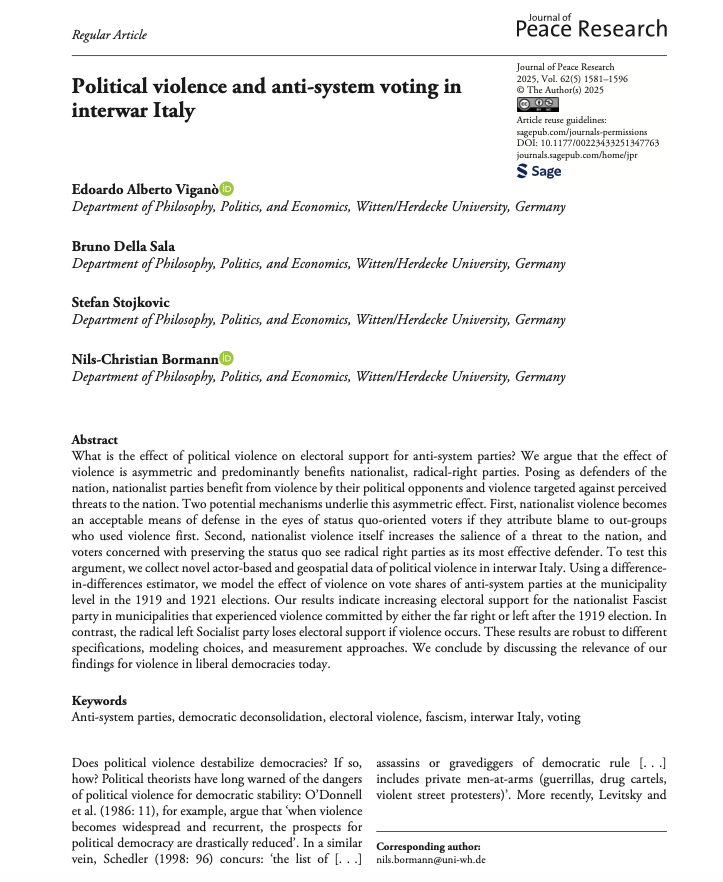
What is the effect of political violence on electoral support for anti-system parties? We argue that the effect of violence is asymmetric and predominantly benefits nationalist, radical-right parties. Posing as defenders of the nation, nationalist parties benefit from violence by their political opponents and violence targeted against perceived threats to the nation. Two potential mechanisms […]
Polarization, fragmentation, and democratic deconsolidation in interwar Europe
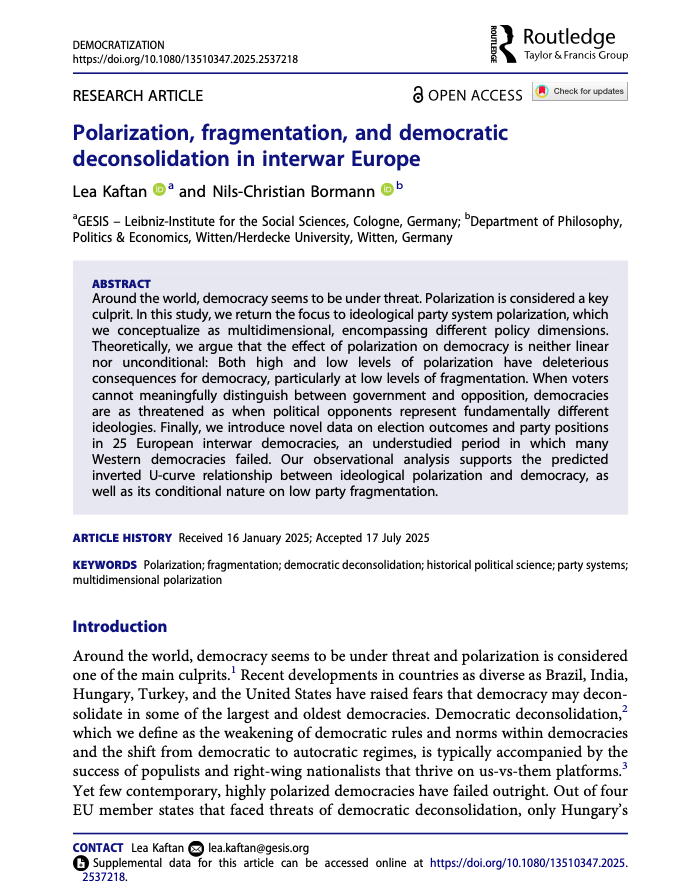
Around the world, democracy seems to be under threat. Polarization is considered a key culprit. In this study, we return the focus to ideological party system polarization, which we conceptualize as multidimensional, encompassing different policy dimensions. Theoretically, we argue that the effect of polarization on democracy is neither linear nor unconditional: Both high and low […]
DANGER Workshop: Discussions on political violence and democracy at UW/H
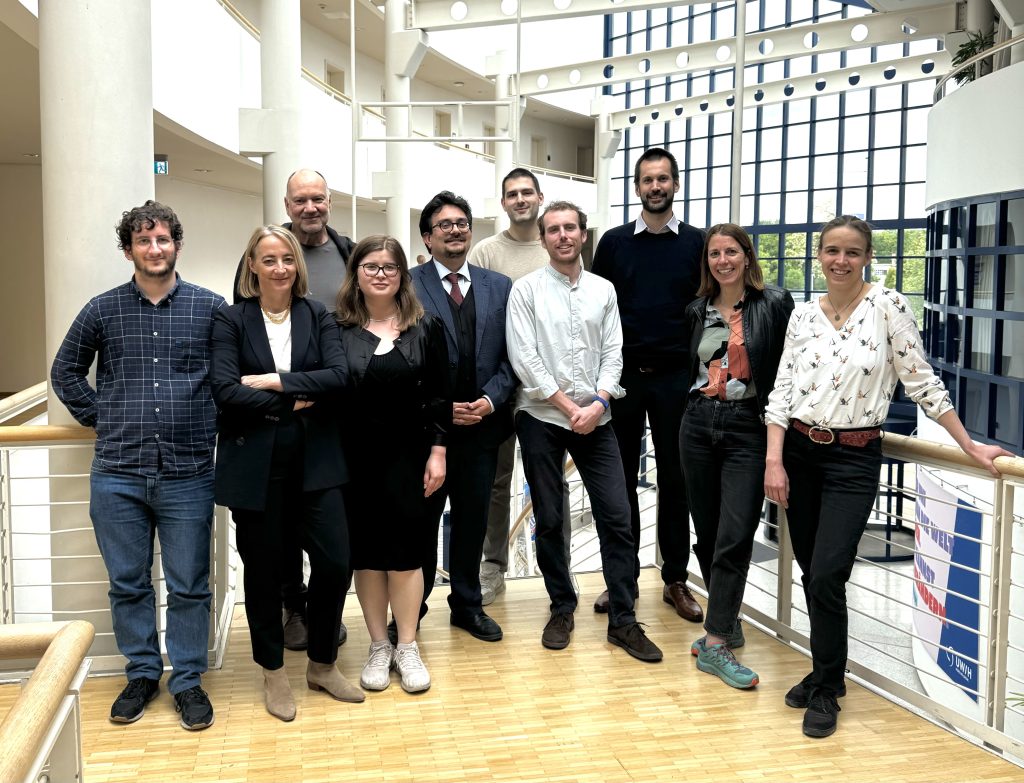
On 22-23 May, Witten/Herdecke University hosted a DANGER project workshop, bringing together leading scholars in the field to discuss the dynamics of political violence and its impact on democratic resilience. The DANGER project, funded by the European Research Council, examines how political violence can trigger democratic breakdown and how political elites respond to anti-democratic forces, with a focus […]
Introducing the Archive of Interwar Europe Election Data & Assemblies (AIEEDA)
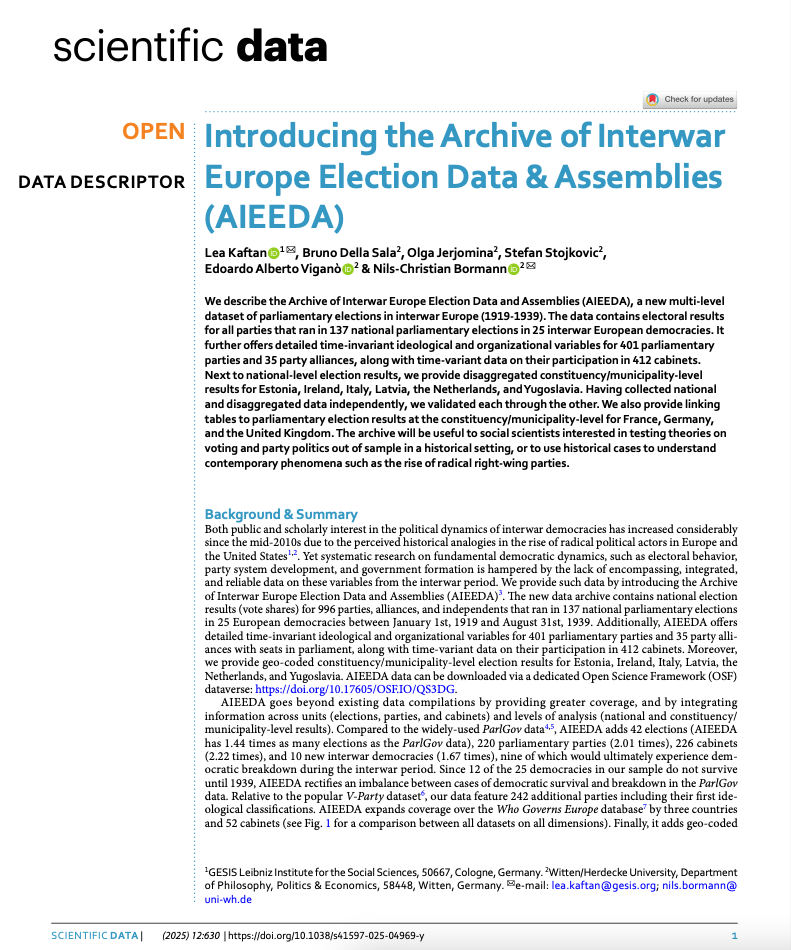
We describe the Archive of Interwar Europe Election Data and Assemblies (AIEEDA), a new multi-level dataset of parliamentary elections in interwar Europe (1919-1939). The data contains electoral results for all parties that ran in 137 national parliamentary elections in 25 interwar European democracies. It further offers detailed time-invariant ideological and organizational variables for 401 parliamentary […]
A Century Since the 1925 Elections in Yugoslavia: Lessons on Democracy’s Fragility
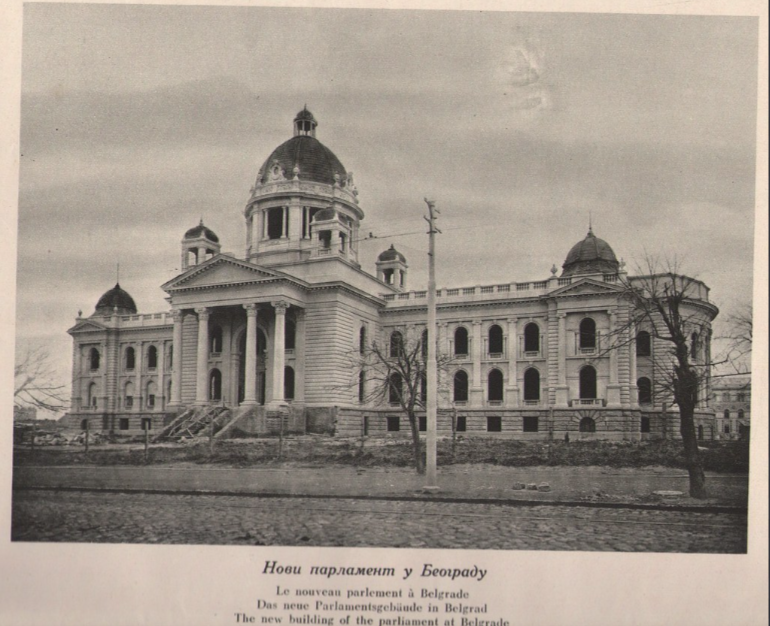
Today marks 100 years since the parliamentary elections in the country that was then still called the Kingdom of Serbs, Croats, and Slovenes—an event that arguably played a decisive role in the country’s democratic instability and ultimate collapse just a few years later. The ruling and largest Serbian party decided to cross significant political and […]
Hitler’s Release from Prison
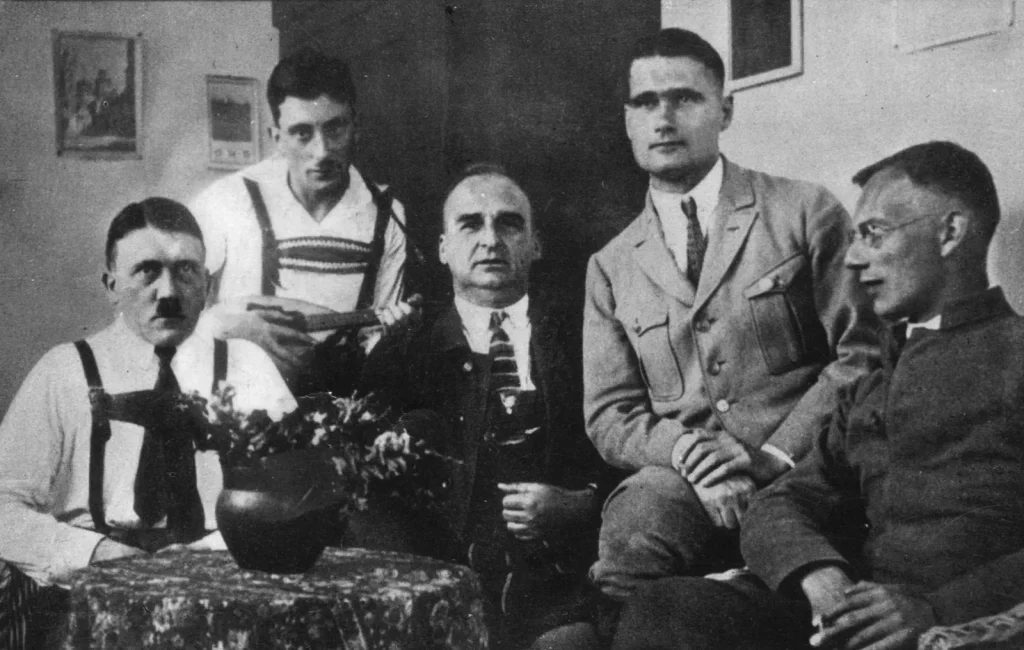
One century ago, on December 20th 1924, Adolf Hitler, the leader of the National Socialist German Workers’ Party (NSDAP), was released from Landsberg Prison after serving nine months of his five-year sentence for his leading role in the Beer Hall Putsch. This putsch was an attempt led by Hitler to initiate a march from Munich […]