
Matteotti’s Speech
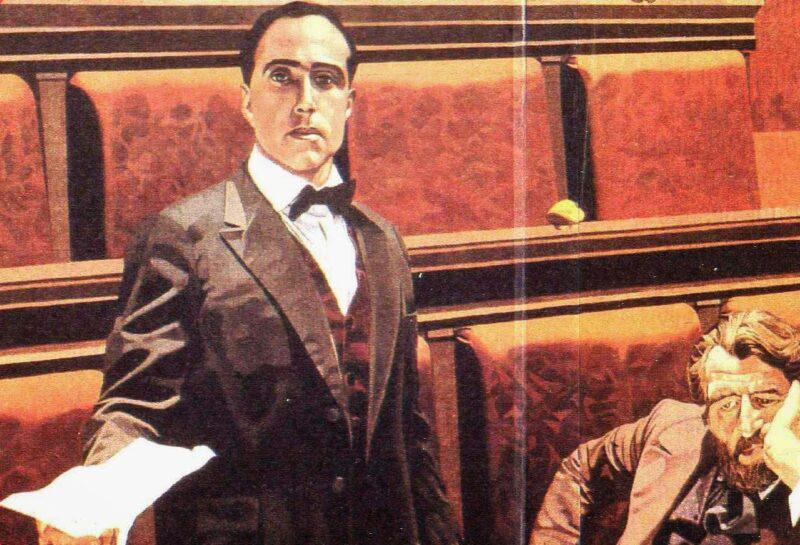
One century ago, on May 30th 1924, the secretary of the Unitary Socialist Party and Member of Parliament Giacomo Matteotti gave a speech denouncing the irregularities of the 1924 elections and asking for their annulment. He claimed that Mussolini’s government used the newly constituted fascist-controlled “Voluntary Militia for the National Security” to intimidate and beat […]
The 1924 Italian general elections
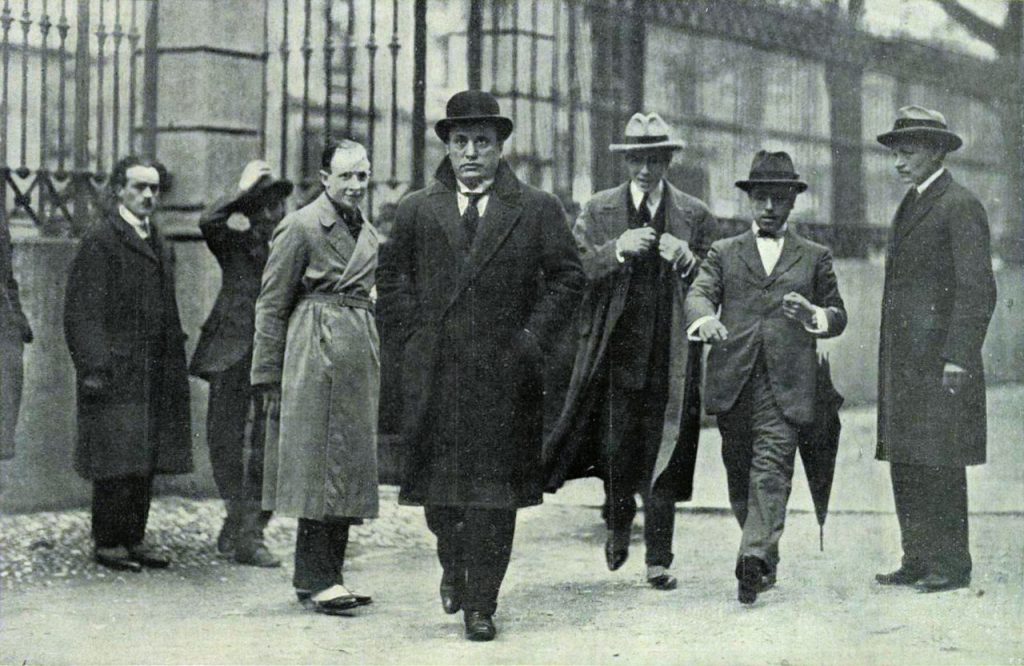
One century ago, on April 6th 1924, Italy held its first general elections following Mussolini’s rise to power in November 1922. Despite becoming prime minister in the aftermath of the March on Rome, Mussolini still lacked a majority in the Italian parliament. To increase their chances of enjoying a large parliamentary majority, the Fascists managed […]
Beer Hall Putsch
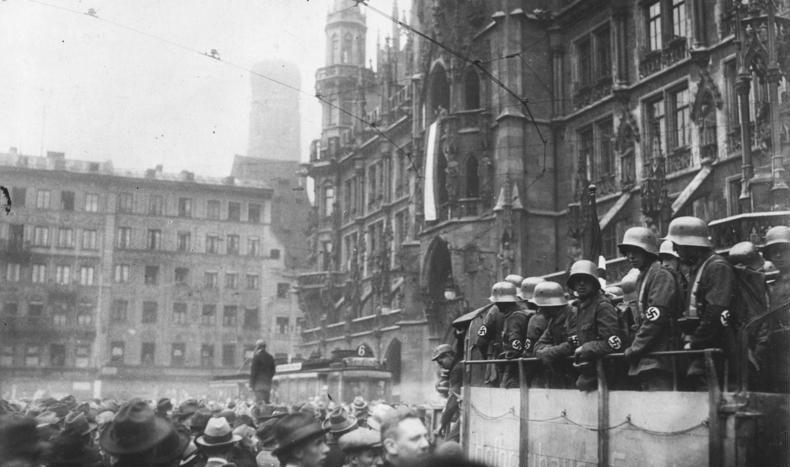
One century ago, on November 9th 1923, Adolf Hitler, the leader of the National Socialist German Workers’ Party (NSDAP), attempted to take over power in Germany when he initiated a coup d’etat against the central government. Following Mussolini’s example, Hitler attempted to march on Berlin from Munich, the capital of secessionist Bavaria. Trying to exploit […]
PAPER PRESENTATION AT SWEPSA
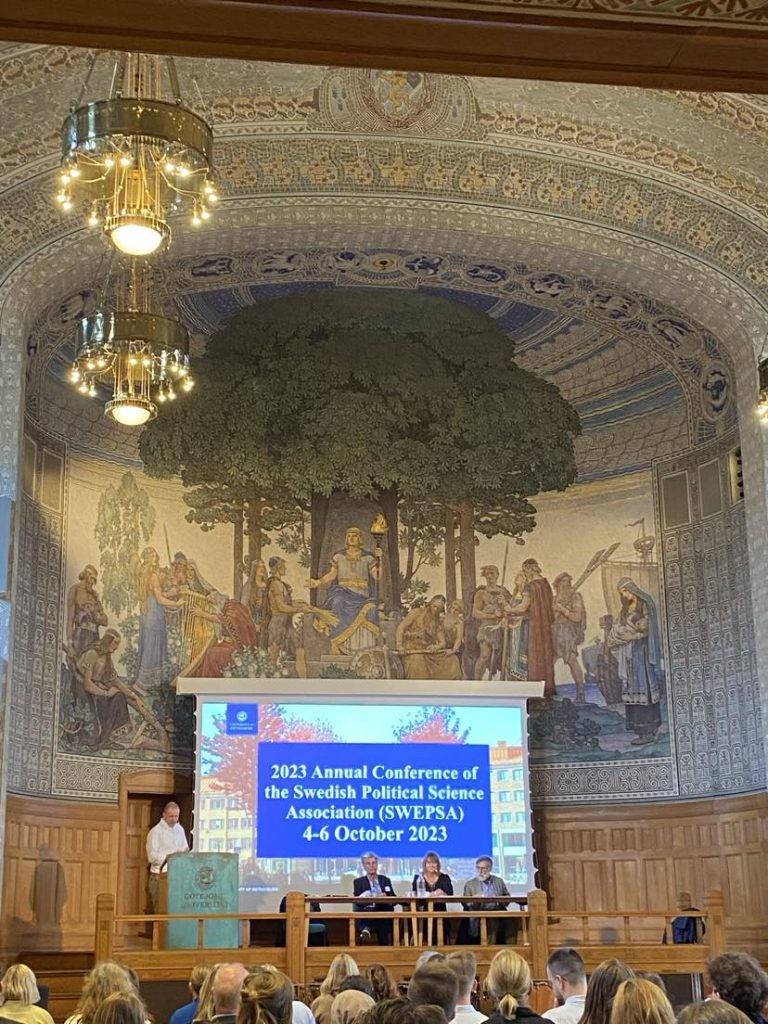
October 12, 2023 Stefan Stojkovic, a PhD researcher in the DANGER project, attended the annual conference of the Swedish Political Science Association (SWEPSA) in Gothenburg, Sweden. He presented his manuscript on minority and majority ethnic voting in fragmented localities. His research shows that minority and majority nationalist voting is different in ethnically mixed areas, and […]
DANGER Project at APSA 2023 in Los Angeles

Nils-Christian Bormann presented preliminary research results from the DANGER project at the 2023 Annual Meeting of the American Political Science Association (APSA) in Los Angeles from August 31 – September 3, 2023. The DANGER project was involved in two scientific panels. The first, “The Promises and Perils of Power-Sharing in Global Perspective”, brought together scholars […]
DANGER team in Münster

Lea Kaftan and Stefan Stojkovic presented updates on their research based on DANGER data at the PEDD Conference in Münster in late February. Stefan Stojkovic showed how polarization between ethnic minority and majority groups in interwar Yugoslavia first increased the turnout of the minority group in elections, but ultimately resulted in the breakdown of the […]
The March on Rome
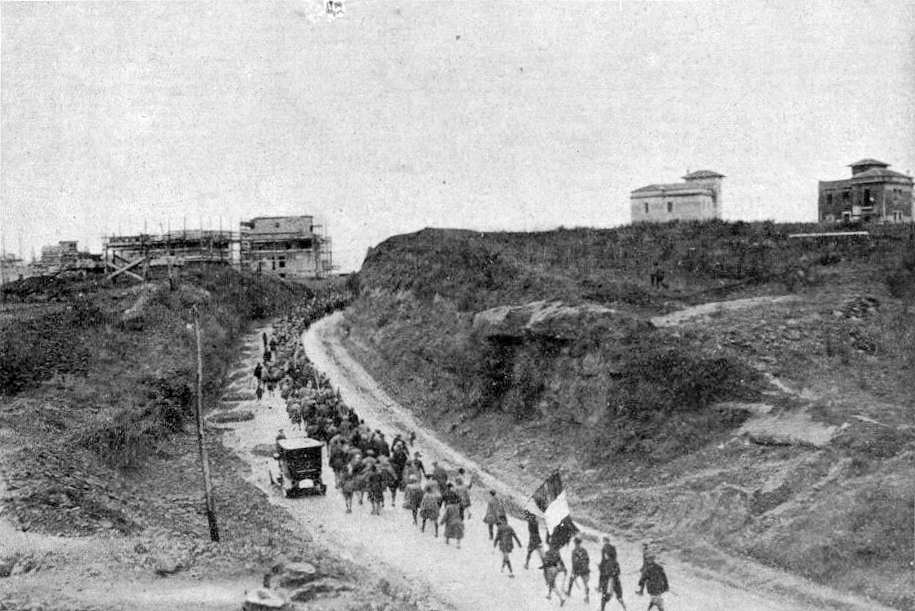
One hundred years ago on October 28th, Benito Mussolini began the “March on Rome.” The event initiated the breakdown of Italian democracy. Thousands of Mussolini’s followers, called Blackshirts, gathered all around the Italian Peninsula and advanced on the capital. Liberal Prime Minister Luigi Facta wanted to mobilize the army to stop the Fascists, yet King […]
Invite to Switzerland

Lea Kaftan presented the project’s first insights into political polarization among interwar European parties at a retreat organized by Sven-Oliver Proksch (University of Cologne) and Jonathan Slapin (University of Zurich) in Switzerland in early September 2022. Although more thorough analyzes will follow, first insights show that political polarization is better measured as multi-dimensional concept rather […]
DANGER members at APSA

Dr. Lea Kaftan and Stefan Stojkovic presented ongoing work from the DANGER project at different venues of the Annual Meeting of the American Political Science Association in Montreal, Canada. Kaftan presented preliminary results on government formation in European interwar democracies at the main conference. Based on the ABEL data on political parties and cabinets, early […]
Workshop on Violence and Democratic Backsliding
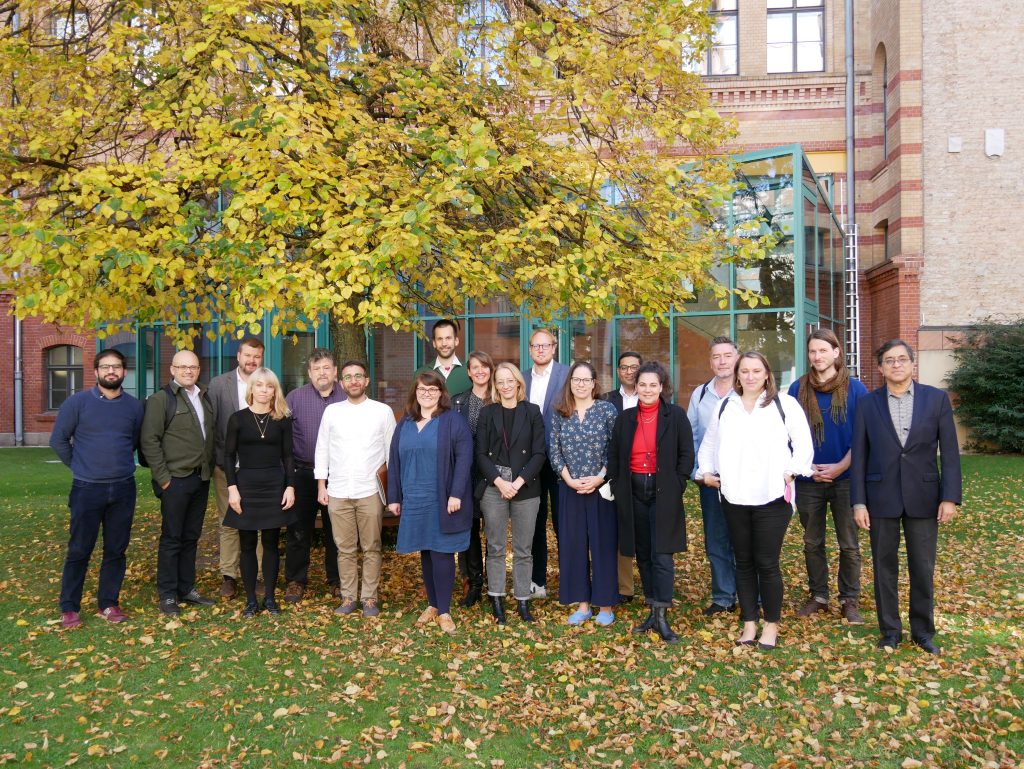
Nils-Christian Bormann, PI of the DANGER project, introduced new findings from the DANGER project at the “Political Violence and Democratic Backsliding” workshop in Berlin. He presented results of the relationship between ideological polarization and democratic breakdown in interwar Europe. Early analysis of the Actions by Elites and Leaders data (ABEL) reveals that polarization levels were […]